By Benedict Mukoni
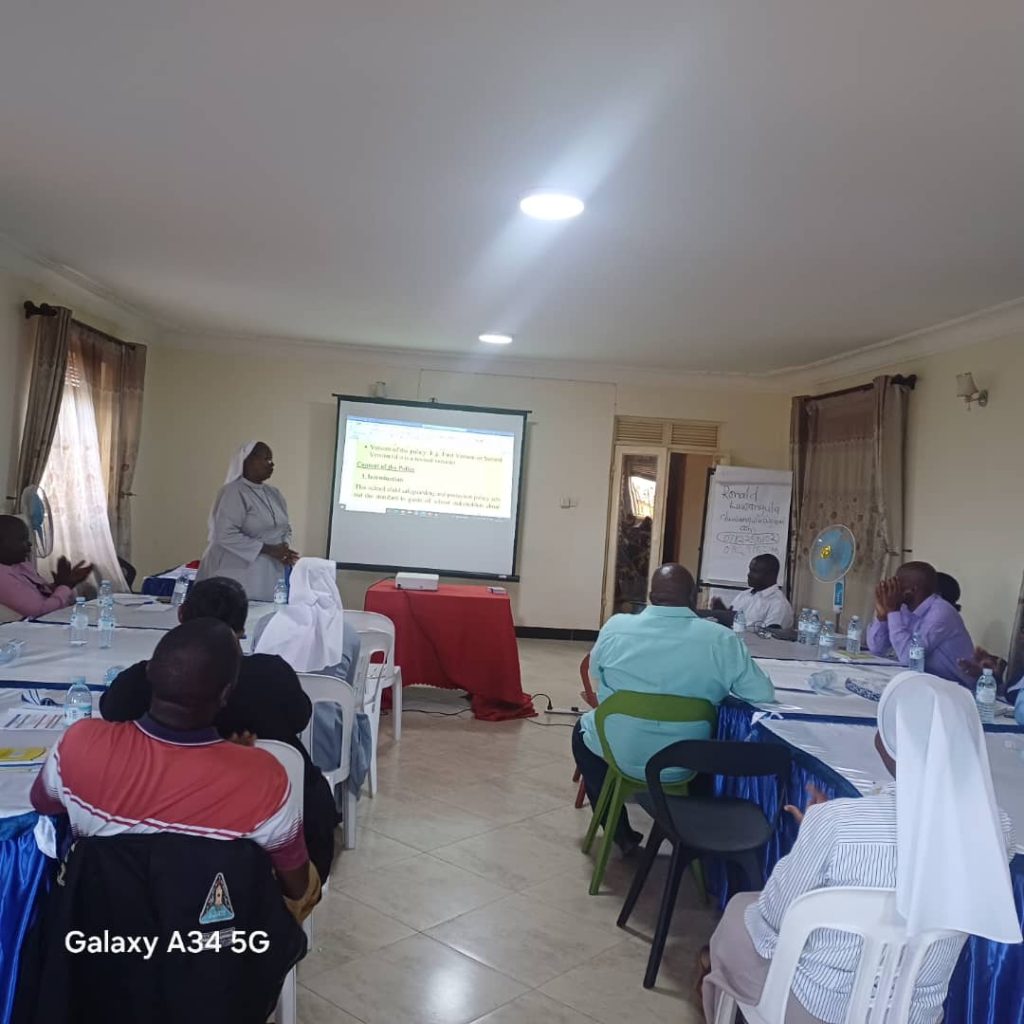
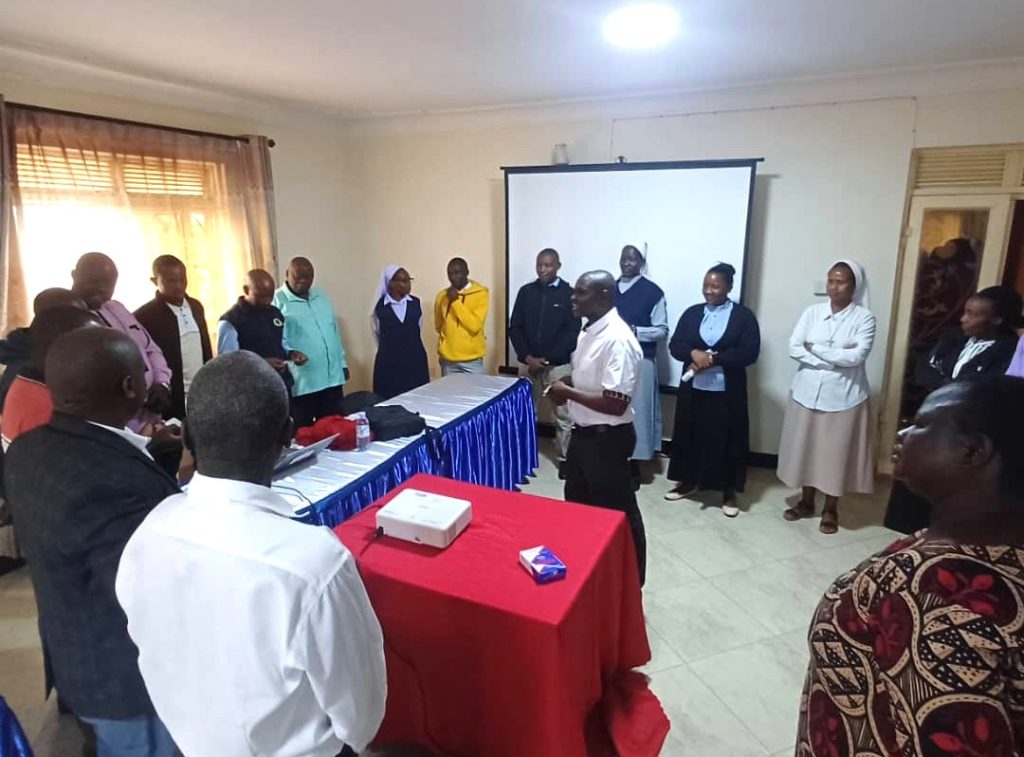
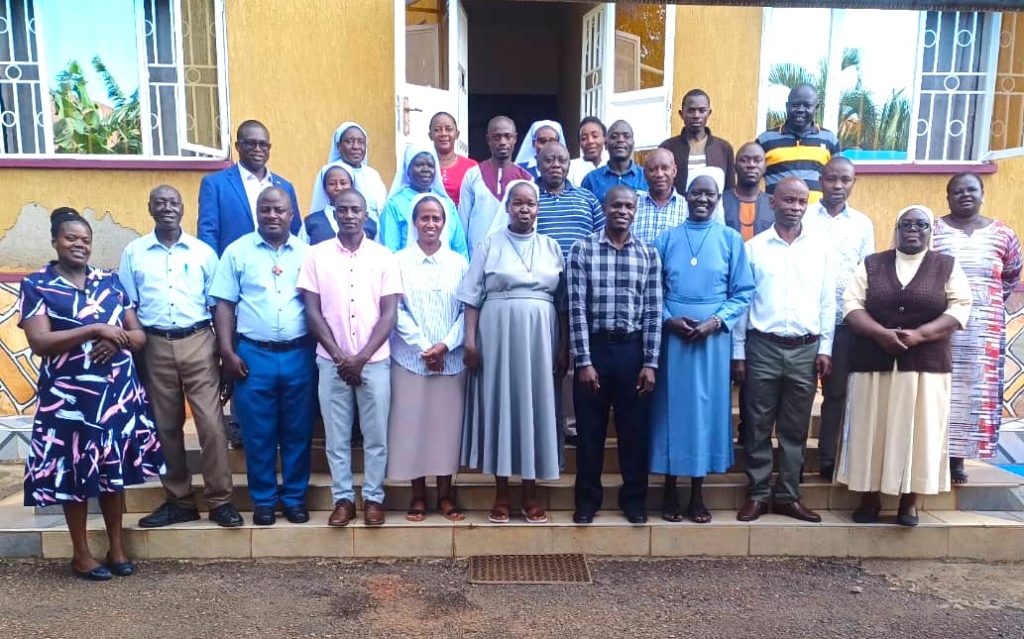
Catholic Care for Children in Uganda (CCCU), a program under the Association of the Religious in Uganda (ARU), conducted a four-day workshop training which brought together administrators and special needs teachers from ten newly mapped childcare institutions and schools with disability units across Uganda.
The training held in Nsambya, Kampala at Cabana Villa Hotel from May 11 – 14, 2026, was in response to the growing need to strengthen child protection and safeguarding systems in schools and childcare institutions (CCIs) serving children with disabilities.
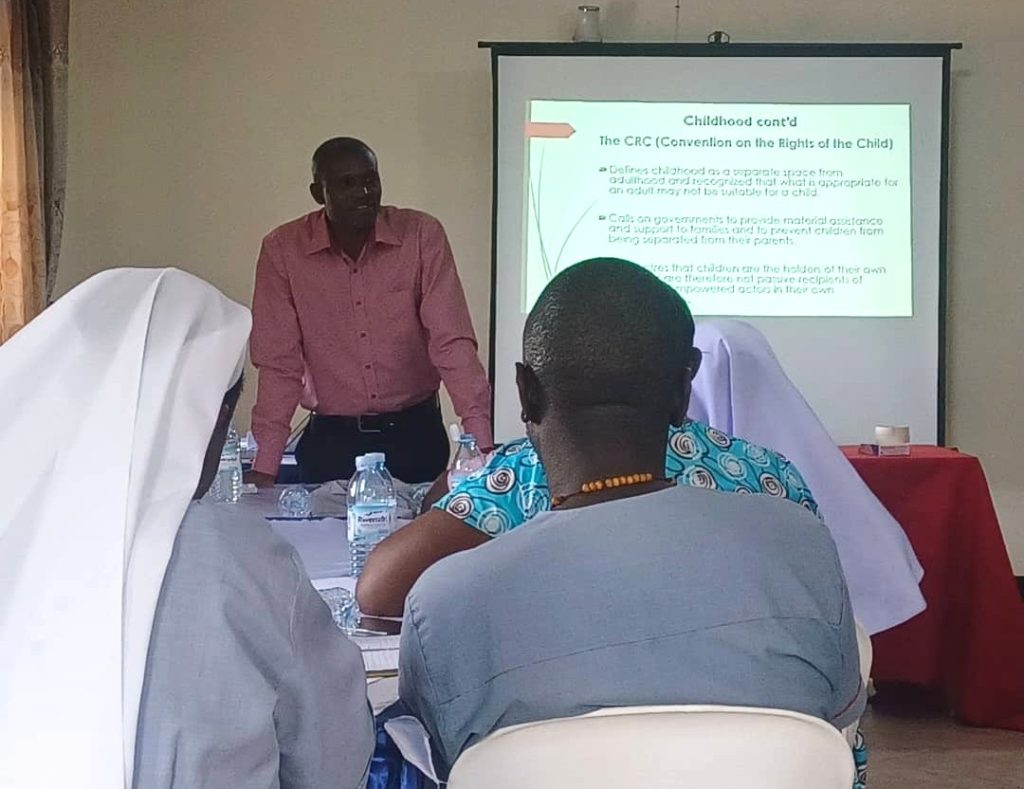
Facilitated by Dr. Ronald Luwangula, a lecturer at Makerere University’s Department of Social Work and Social Administration, the sessions focused on equipping participants with practical knowledge and legal understanding needed to create safer and more inclusive environments for children with disabilities.
According to CCCU team, the workshop was designed in response to increasing concerns about the vulnerability of children with disabilities to abuse, neglect, violence, and exploitation both within schools and in communities. Participants explored child rights, safeguarding principles, international and national legal frameworks, and institutional responsibilities in protecting children.
One of the key messages emerging from the training was that safeguarding should not be viewed as a responsibility limited to residential childcare institutions. Facilitators emphasized that schools and educational settings equally carry the obligation to ensure the protection and dignity of learners, particularly children with disabilities.
Participants described the workshop as timely and transformative. Some admitted that before the training, they had limited understanding of child safeguarding and its relevance within educational institutions. The training helped bridge critical knowledge gaps and increased confidence among school leaders and teachers to identify, prevent, and respond to cases of abuse and neglect.
The workshop also encouraged schools and child care institutions to begin developing internal safeguarding policies, establish child-friendly reporting mechanisms, and integrate child protection discussions into school programs and meetings.
Facilitators noted that children with disabilities often face heightened protection risks due to stigma, communication barriers, dependency on caregivers, and limited access to reporting systems. Participants therefore called for continuous mentorship, more practical policy development exercises, and stronger collaboration with parents, local governments, and child protection stakeholders.
The training came to a denouement with a commitment by participating institutions to strengthen safeguarding systems within the next few months through policy development, staff sensitization, and improved referral mechanisms. ARU-CCCU officials pledged follow-up mentorship and monitoring visits to support implementation efforts.
ARU-CCCU officials believe the initiative marks an important step toward building safer and more inclusive learning environments for children with disabilities in Uganda.
“This training laid a strong foundation for strengthening child protection and safeguarding practices within participating schools,” officials noted.