
Sr, Caroline Bacia, National Coordinator ARU-SLYI
With the launch of Phase III in January 2026, the Sister-Led Youth Initiative Uganda (SLYIU), a programme of the Association of Religious in Uganda (ARU), reached another significant milestone through the establishment of three mega businesses owned by religious institutes with support from the Conrad N. Hilton Foundation.
The new phase marks a major step in SLYIU’s innovative model, which combines vocational education, entrepreneurship, and faith-driven social enterprise to transform the lives of Uganda’s most vulnerable young people. By equipping them with practical skills and connecting them to meaningful employment, the initiative is creating pathways to dignified work, economic independence, and lasting hope.
The Mega Businesses are not just income-generating projects, but sustainable social enterprises designed to strengthen the economic capacity of religious institutes while creating employment opportunities for graduates of vocational training centres. At the same time, they provide a second chance for young people whose education was interrupted by poverty and other uncertainties, enabling them to acquire marketable skills and practical work experience that prepares them to become self-reliant entrepreneurs and agents of change in their communities.
Unlike conventional vocational programmes where graduates struggle to secure jobs, the SLYIU invented a model which allows young people to transition directly into productive work, where they continue to sharpen their skills while earning an income.
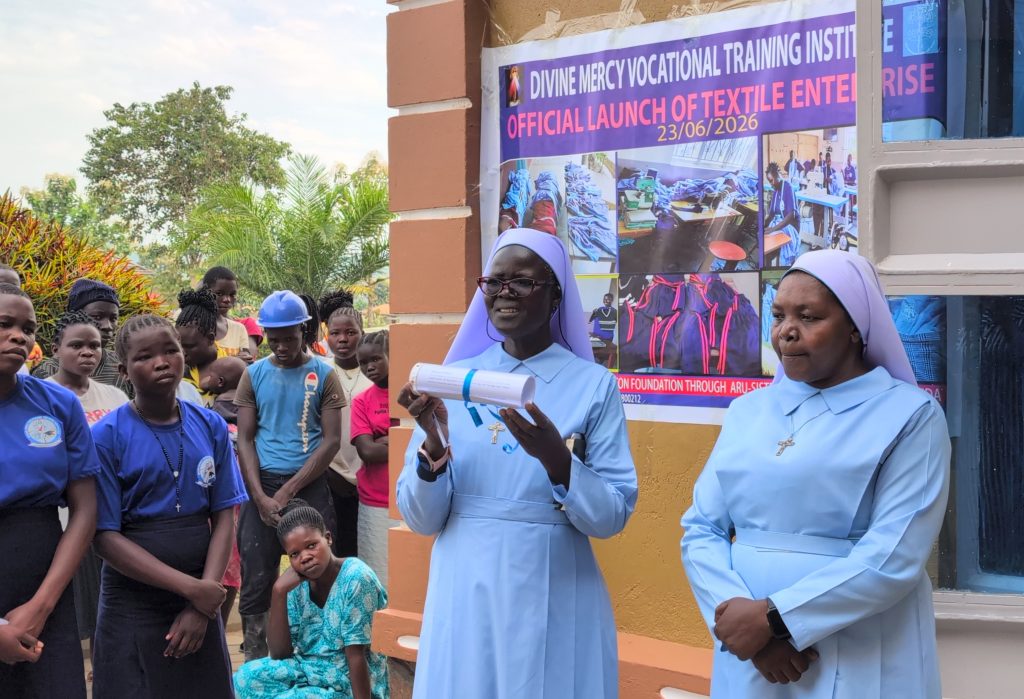
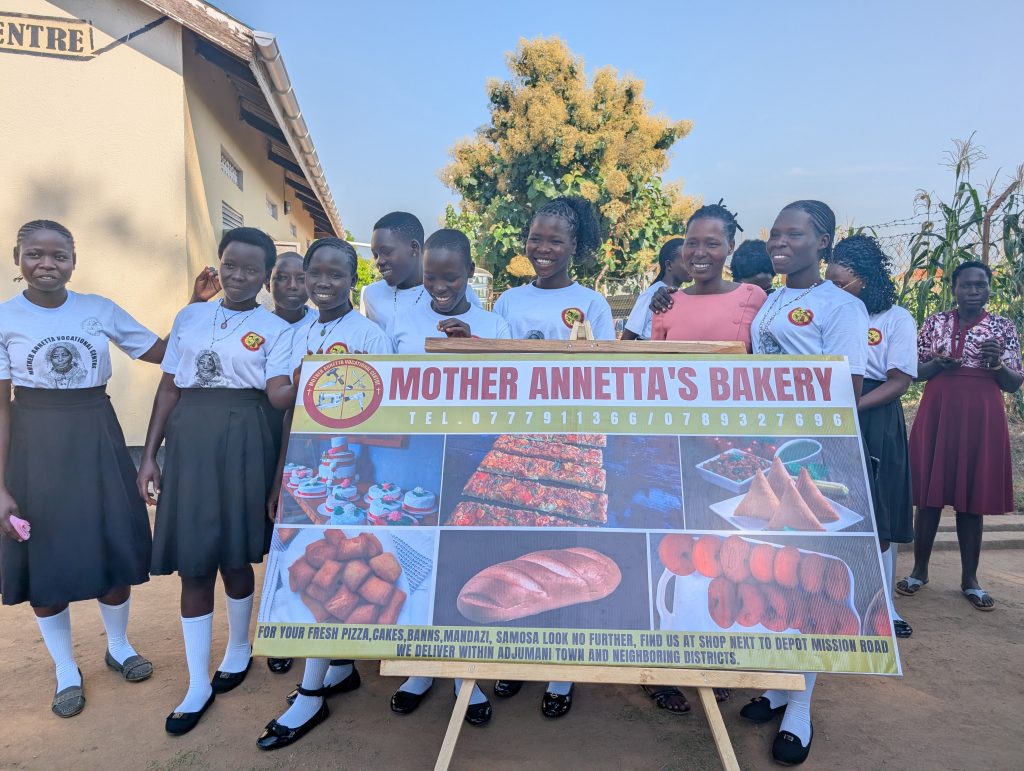
The enterprises include Mother Annetta Bakery (MAB) in Adjumani run by the Sacred Heart Sisters of Moyo, Skilled Designers Enterprise (SDE) in Tororo run by the Little Sisters of St. Francis, and Divine Mercy Textile Enterprise in Nebbi run by the Little Sisters of Mary Immaculate of Gulu (LSMIG).
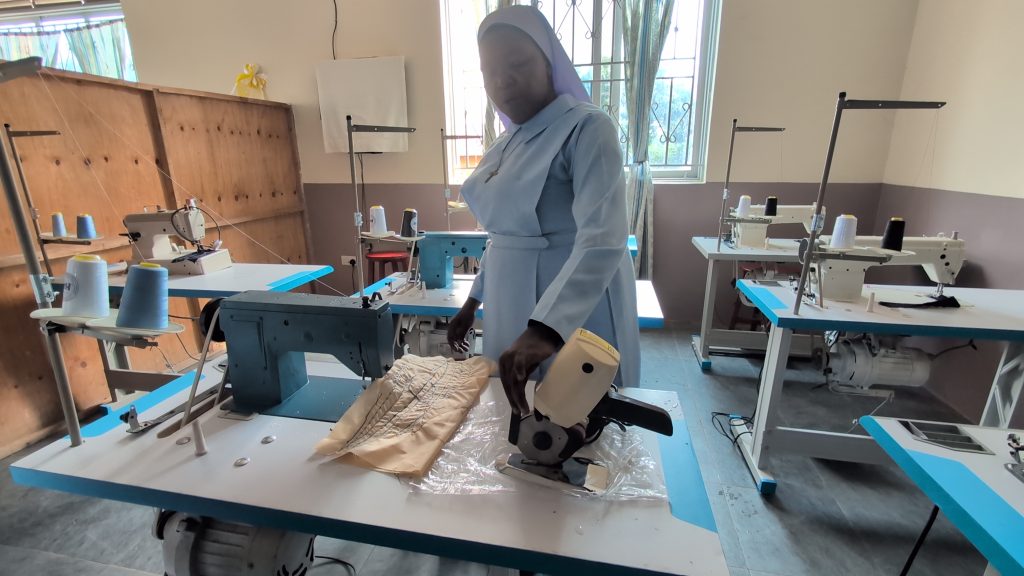
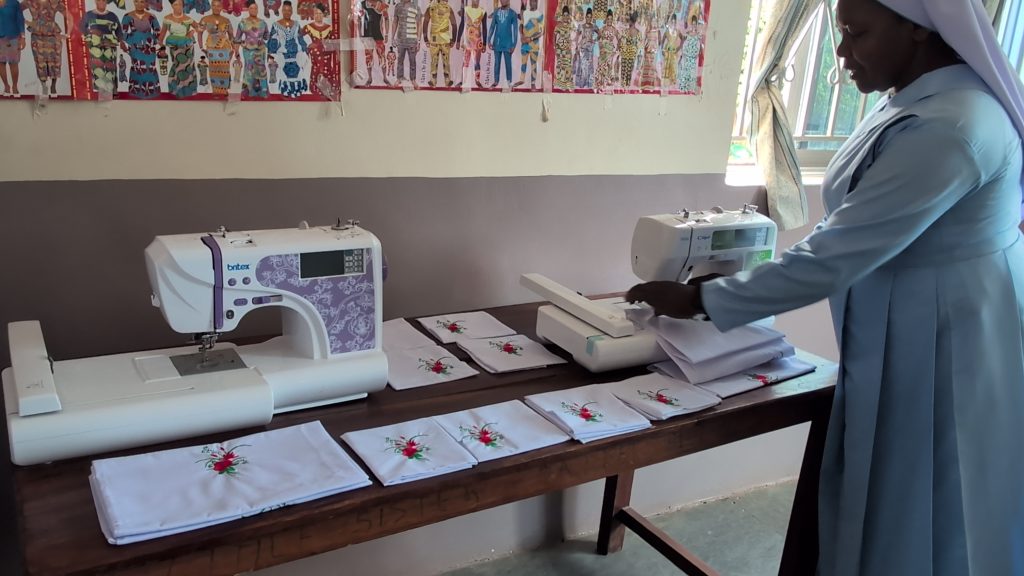
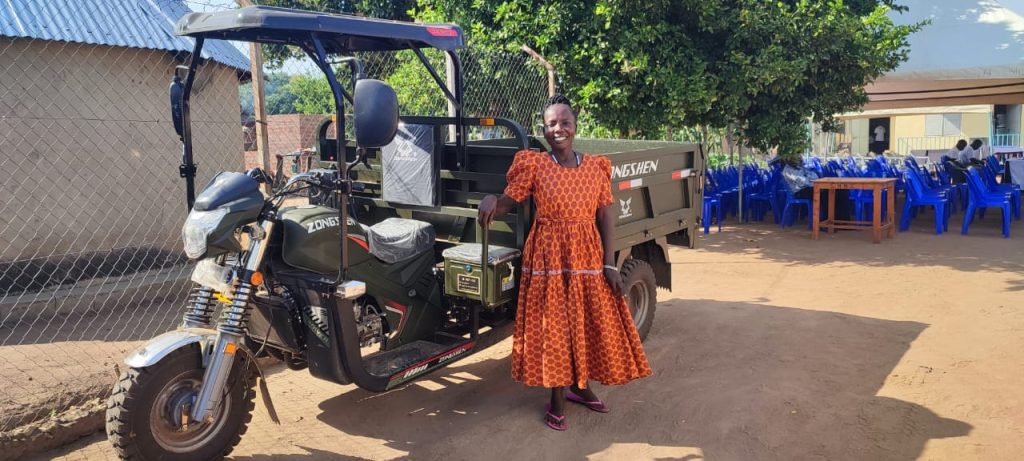
The businesses are designed to bridge the gap between training and employment by providing graduates with opportunities to gain practical experience while earning an income. They also strengthen the sustainability of vocational training centres by generating resources that can be reinvested into youth skills development.
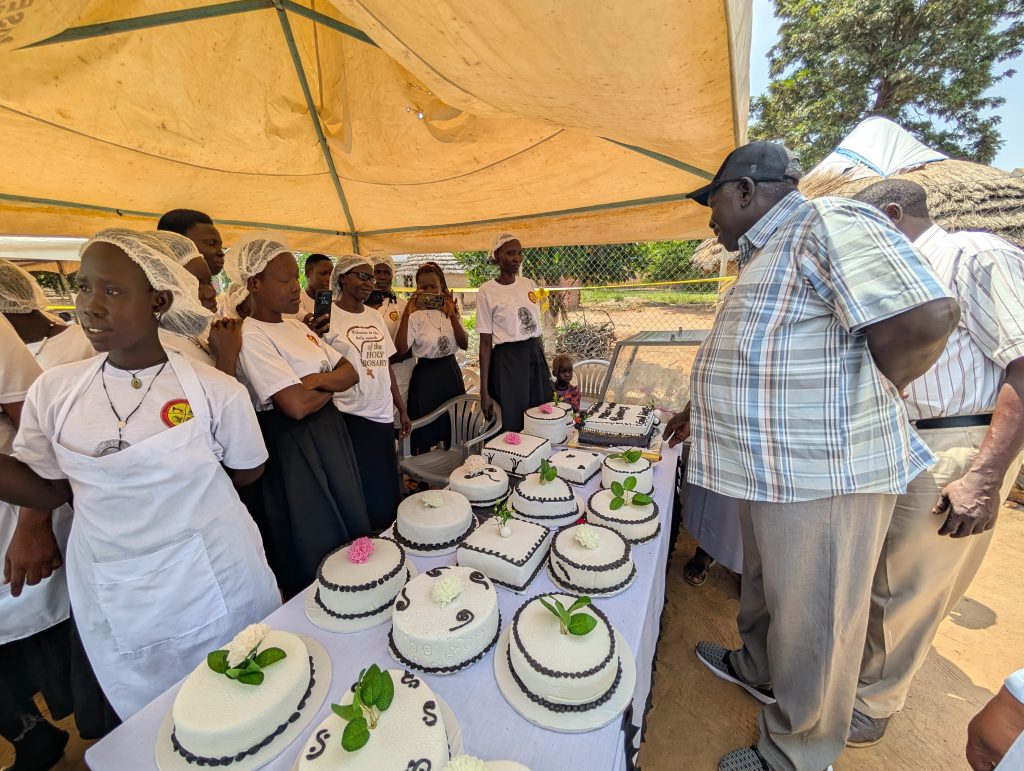
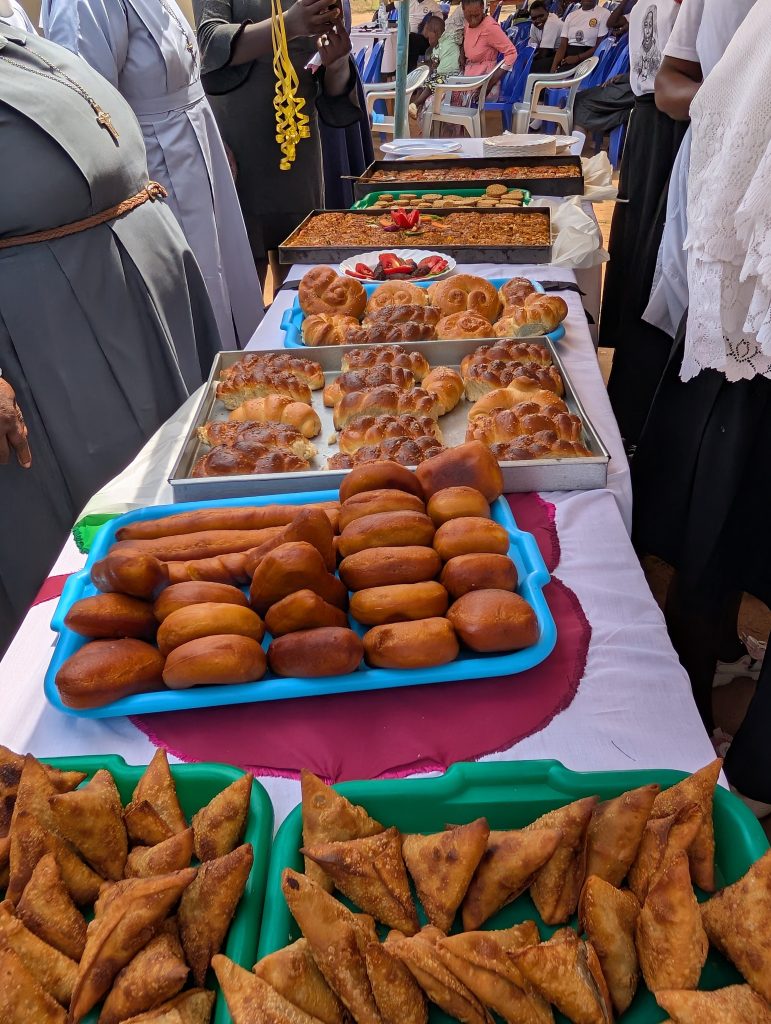
The bakery is expanding production while providing hands-on training in commercial baking. The garment and fashion enterprise equips young people with technical and entrepreneurial skills to compete in Uganda’s growing fashion industry. Meanwhile, the textile enterprise produces school uniforms, knitted sweaters, embroidery, school bags, and durable sandals, creating employment opportunities for graduates while responding to the increasing demand for quality school supplies.
The impact of the SLYIU model is already evident in the lives of its beneficiaries. During the first-term holidays in May 2026, many students chose to remain at their workplaces instead of returning home, using the opportunity to deepen their practical experience and improve their chances of future employment.
For many young women, the programme represents more than vocational training—it offers hope for a better future.
“Before I joined Toto Maria Vocational Training Centre, I was a victim of poverty because girls’ education is not valued in the Karamoja region,” said Vivian Ageno. “I had no hope of returning to school. Today, I am determined to move from victim to victor. The skills I have acquired will help me overcome poverty.”
Vivian’s story reflects the aspirations of many young women who now see vocational education not simply as skills training but as a pathway to dignity, self-reliance, and freedom from poverty.
Across the programme, beneficiaries speak of newfound confidence as they apply their skills in construction, tailoring, baking, and design. Some have already invested their holiday earnings in goats, piglets, and poultry, establishing small household enterprises while continuing their education. Rather than waiting for formal employment, they are embracing entrepreneurship as the foundation for their future.
The initiative has also highlighted persistent social barriers. In Karamoja, several girls reported that some of their classmates failed to return to school after the holidays because they were forced into early marriage. One trainee explained that many parents still view daughters primarily as a source of bride wealth and fail to recognize the long-term value of educating girls.
She appealed for continued support to keep girls in school until they complete their education, alongside greater community sensitization to change attitudes towards girls’ education.
As SLYIU enters a new phase, its success is measured not only by the enterprises it has established but, more importantly, by the lives it is transforming. By linking vocational training directly to productive businesses, the initiative has created a sustainable model where education leads to employment, employment nurtures entrepreneurship, and entrepreneurship contributes to poverty reduction and stronger communities.
